
Are bioethanol fireplaces legal in Australia? The safety standard explained
Yes, bioethanol fireplaces are legal in Australia, provided they meet the national safety standard that has applied since 2017. Here is what the standard requires and what to check before you buy.
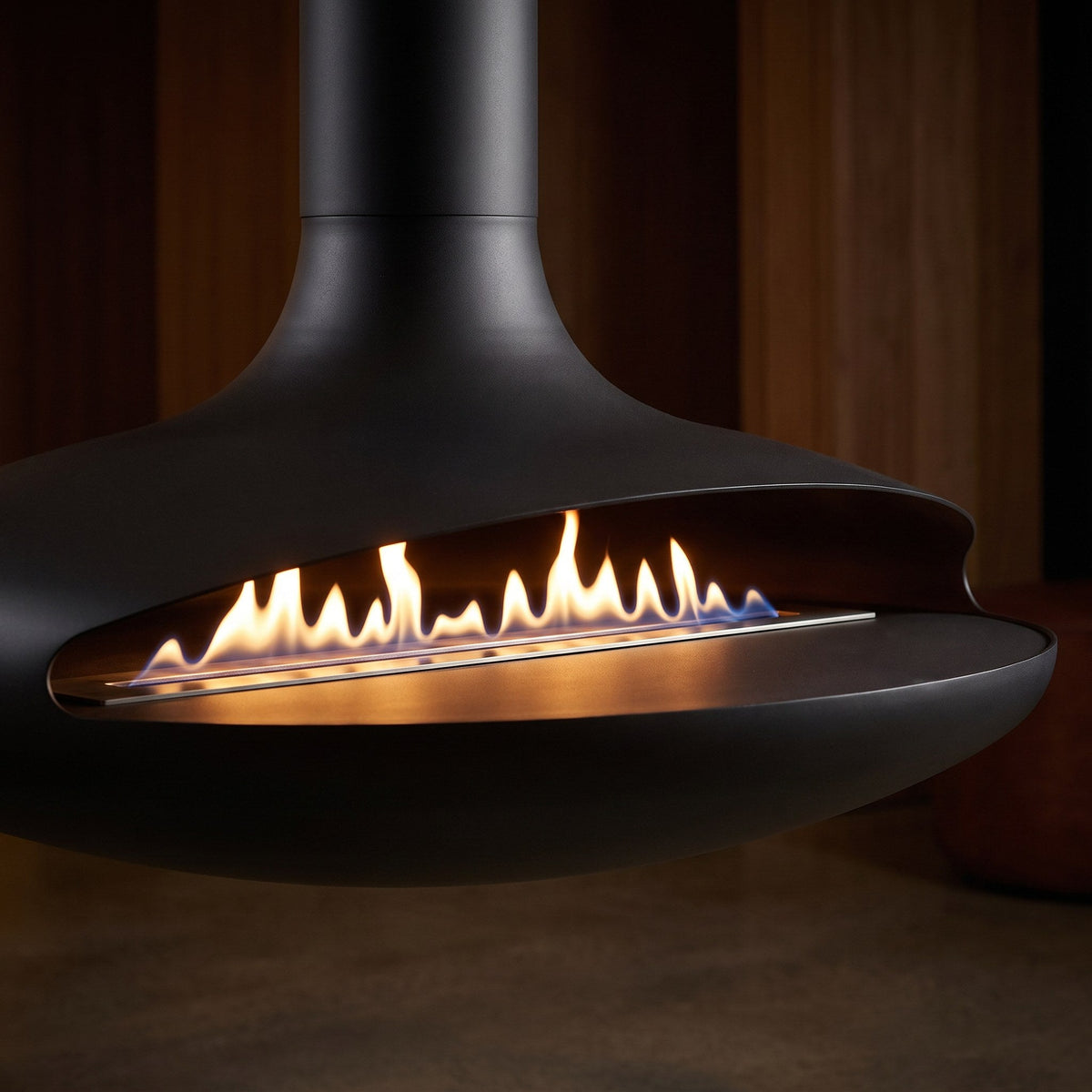
Yes. Bioethanol fireplaces are legal to sell and use in Australia, provided they meet the Consumer Goods (Decorative Alcohol Fuelled Devices) Safety Standard 2017. The standard requires the device to be fixed in place or heavy and stable enough not to tip, to pass a stability test, to come with a safe way to refuel and to carry permanent warnings. Small table-top burners that do not meet it can no longer be sold.
Why the standard exists
Before 2017, cheap table-top ethanol burners were linked to serious burns in Australia. The government recorded at least 105 injuries and 36 house fires linked to these devices since 2010. Most incidents involved refuelling while the burner was lit or still hot, spilled fuel, or a device being knocked over. After a serious burn incident in Perth in late 2016, states introduced interim bans, then a national interim ban, and the permanent standard took effect in 2017.
What the standard requires
| Requirement | What it means |
|---|---|
| Fixed or stable | The device must be installed in a fixed position, or weigh at least 8 kg dry with a footprint of at least 900 cm². |
| Stability test | It must pass the stability test in the European standard for decorative ethanol fireplaces, EN 16647:2015. |
| Safe refuelling | It must come with a fuel container fitted with a flame arrester, or an automatic fuel pump. |
| Warnings | It must carry permanent, prominent warnings about refuelling. |
The standard covers flame-producing alcohol devices made mainly for decoration. Devices made mainly for heating food are outside it.
Where suspended fires fit
A suspended fire is fixed to the ceiling structure, so it is installed in a fixed position rather than sitting loose on a table. The burners and fireplaces we sell are made to comply with BS EN 16647:2015, the European standard for decorative bioethanol fireplaces. The Planika Pillar uses an automatic pump, so you never pour fuel into the burner.
What to check before you buy any ethanol fire
- Ask the seller to confirm it meets the Australian standard.
- Check it is fixed in place, or heavy and stable enough to meet the weight and footprint rules.
- Make sure it comes with a flame-arrester fuel container or an automatic pump.
- Look for the permanent warnings on the device.
- Avoid small table-top burners. They are the type most linked to injuries and the type the standard pushed off the market.
Using it safely
The standard deals with the product. Safe use is up to the owner:
- Only refuel when the flame is out and the burner is cold. Ethanol flames can be hard to see in daylight.
- Use bioethanol made for fireplaces and clean up any spill before lighting.
- Light with the supplied tool or a long lighter, and put the fire out with the shut-off tool, never water.
- Put the fire out before you leave the room or go to bed.
- Keep a powder extinguisher or fire blanket nearby.
Read our safety guide for more.
Do I need council approval?
The safety standard is about the product. Installation is a separate question. A hanging fire fixes into the ceiling structure, so it must be installed by a suitably qualified person following the maker's instructions and your state and council building requirements. Check with your builder or building certifier.
Common questions
Are ethanol fireplaces banned in Australia?
No. Devices that do not meet the 2017 safety standard cannot be sold, which removed most small table-top burners. Compliant fireplaces are legal.
What is the Australian standard for ethanol burners?
The Consumer Goods (Decorative Alcohol Fuelled Devices) Safety Standard 2017, made under the Australian Consumer Law.
Are suspended bioethanol fires safe?
A compliant fire, installed correctly and used to the maker's instructions, is a safe way to have a real flame. Most incidents involve refuelling while the burner is lit or hot.
Sources: Consumer Goods (Decorative Alcohol Fuelled Devices) Safety Standard 2017 and explanatory statement, NSW Fair Trading ethanol burner safety advice.